Fabric softener is bought with the nose. Two bottles can hold almost identical formulas, yet one sells out and the other sits on the shelf because of the scent. For an importer, this makes the category rewarding but easy to get wrong. This guide covers the choices that matter most when you buy from India: the type of softener, the fragrance, the pack and the practical details of storage and shipping.
GoodBiz Hygiene is a merchant exporter. We source fabric softener from vetted Indian manufacturers and handle the quotation, documents and shipment. The notes below are general guidance, and final specifications are agreed per order.
How fabric softener works
Fabric softener, also called fabric conditioner, is added during the final rinse. Its softening agent coats the fibres, which makes cloth feel smoother, reduces static and helps clothes iron more easily. Fragrance then stays on the fabric after drying. Because it is a rinse-stage product, it sells alongside detergent, which is why many importers add it to an existing laundry range. Our fabric softener page gives the typical specifications.
Types of fabric softener
Regular softener
Regular grades carry a lower share of softening agent and are dosed more generously. They suit value-oriented shelves and markets where people judge a product by price per litre. They are also easy to explain to shoppers who are new to softener.
Concentrated softener
Concentrates carry a higher share of softening agent, so a smaller dose does the same job. They cost more per litre but less per wash, and a smaller bottle carries the same number of washes. For importers this can mean better use of freight space and shelf space. Concentrates also support a premium position, and they work well in a good-better range next to a regular grade.
Sensitive and low-fragrance softener
Sensitive grades use lighter perfume and gentler colour. They suit households with babies or skin concerns, and they are worth including even if volumes are small, because they widen your range and answer a question shoppers often ask.
Perfume-boost and bulk grades
Perfume-boost concentrates promise long-lasting freshness and tend to sit at the premium end. At the other end, bulk grades in cans, drums or larger containers are used by laundries, hotels and re-packers. If you plan to re-pack locally, say so in your enquiry, because the formula and the packaging differ from a retail product.
Choosing fragrances that sell
Fragrance preferences are local, so start from your own market rather than from a catalogue. Typical options include:
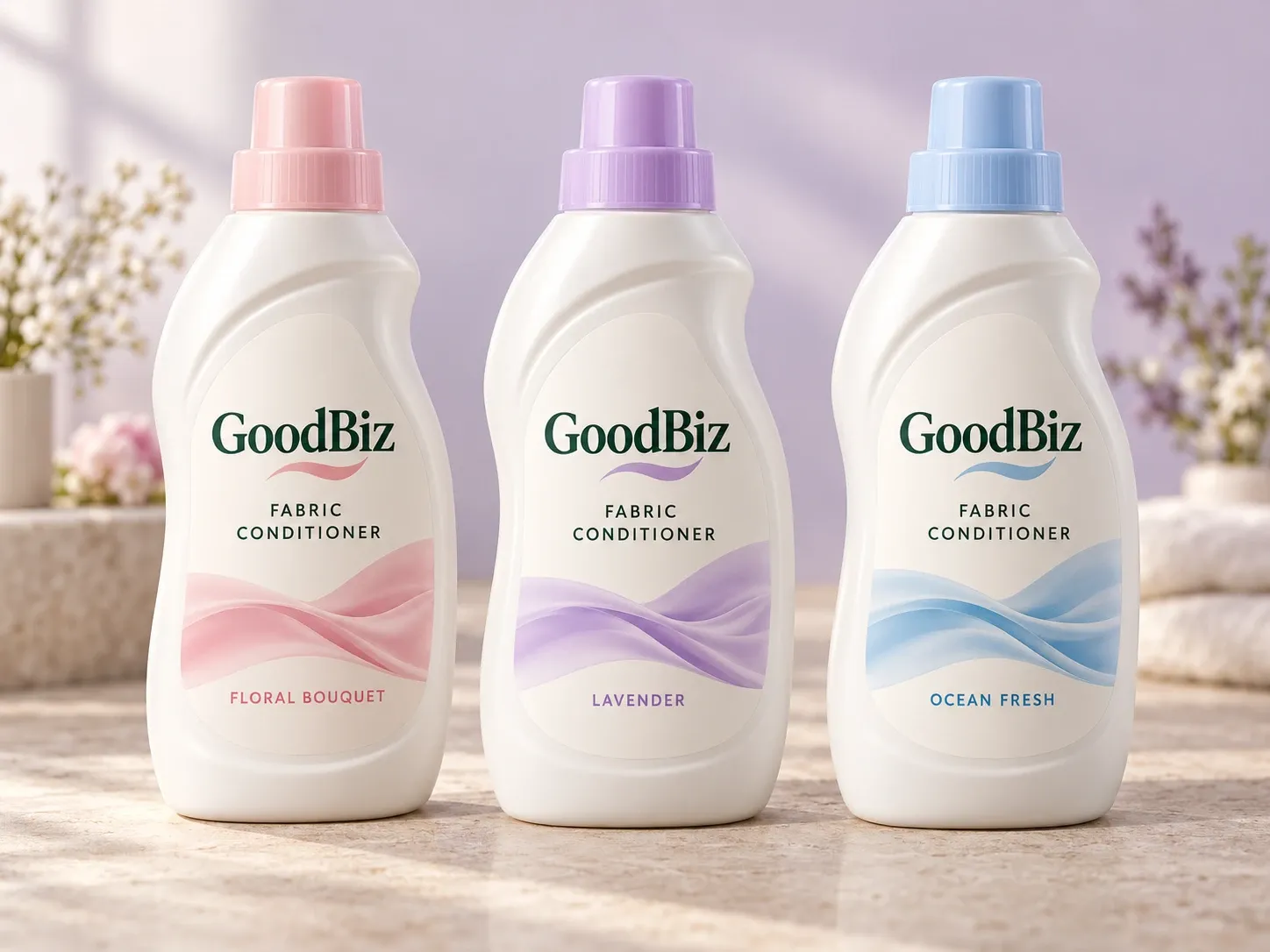
- Floral bouquet. A familiar, broad-appeal choice in many markets.
- Lavender. Associated with calm and freshness.
- Ocean fresh. A clean, light scent that suits warm climates.
- Rose. Popular where traditional floral perfumes are favoured.
- Low-fragrance. For sensitive households.
Some practical rules help:
- Test on cloth, not in the bottle. A scent changes once it dries on fabric. Wash a towel with each sample and smell it the next day.
- Match the fragrance to the colour. Pink for rose, purple for lavender and blue for ocean fresh all read naturally to shoppers.
- Watch the strength. A strong scent that wins in the shop can be too heavy once the clothes are dry.
- Limit the first order. Two or three fragrances give you a clear read on demand without splitting the volume into small pieces.
Pack sizes and formats
The right pack depends on who buys and how.
| Format | Typical use |
|---|---|
| 500 ml to 1 L bottle | Trial and everyday retail packs |
| 2 L to 3 L bottle | Family and value packs |
| Stand-up refill pouch | Shoppers who want to cut plastic or cost |
| 5 L can | Larger households and small businesses |
| 20 L jerrycan, drums | Laundries, hotels and re-packers |
Most bottles have a measuring cap, which helps customers dose correctly. For retail bottles, ask about the cap, the label and the shrink sleeve, because these show the most wear on a long journey. For refill pouches, ask about the spout and the seal.
Private label for fabric softener
Softener is a fragrance-led category, so the first private-label decision is the scent and its strength. Next, choose whether to position the product as regular or concentrated. Colour is tinted to suit the fragrance, bottles come from available moulds and your label or sleeve carries the brand. A printed master carton completes the pack. A sample is approved before bulk production, and lead time is typically 3–5 weeks after order confirmation, depending on private-label requirements.
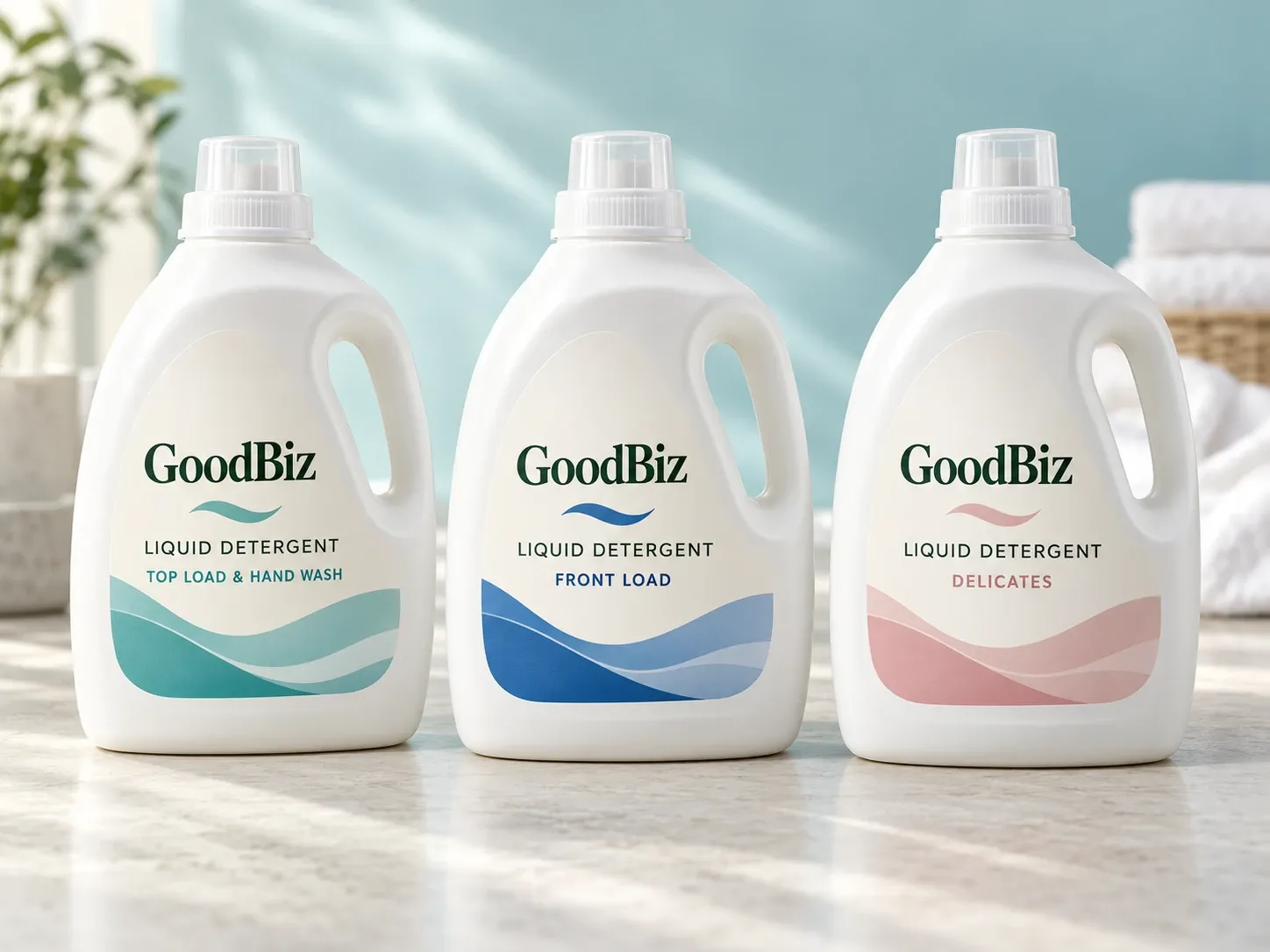
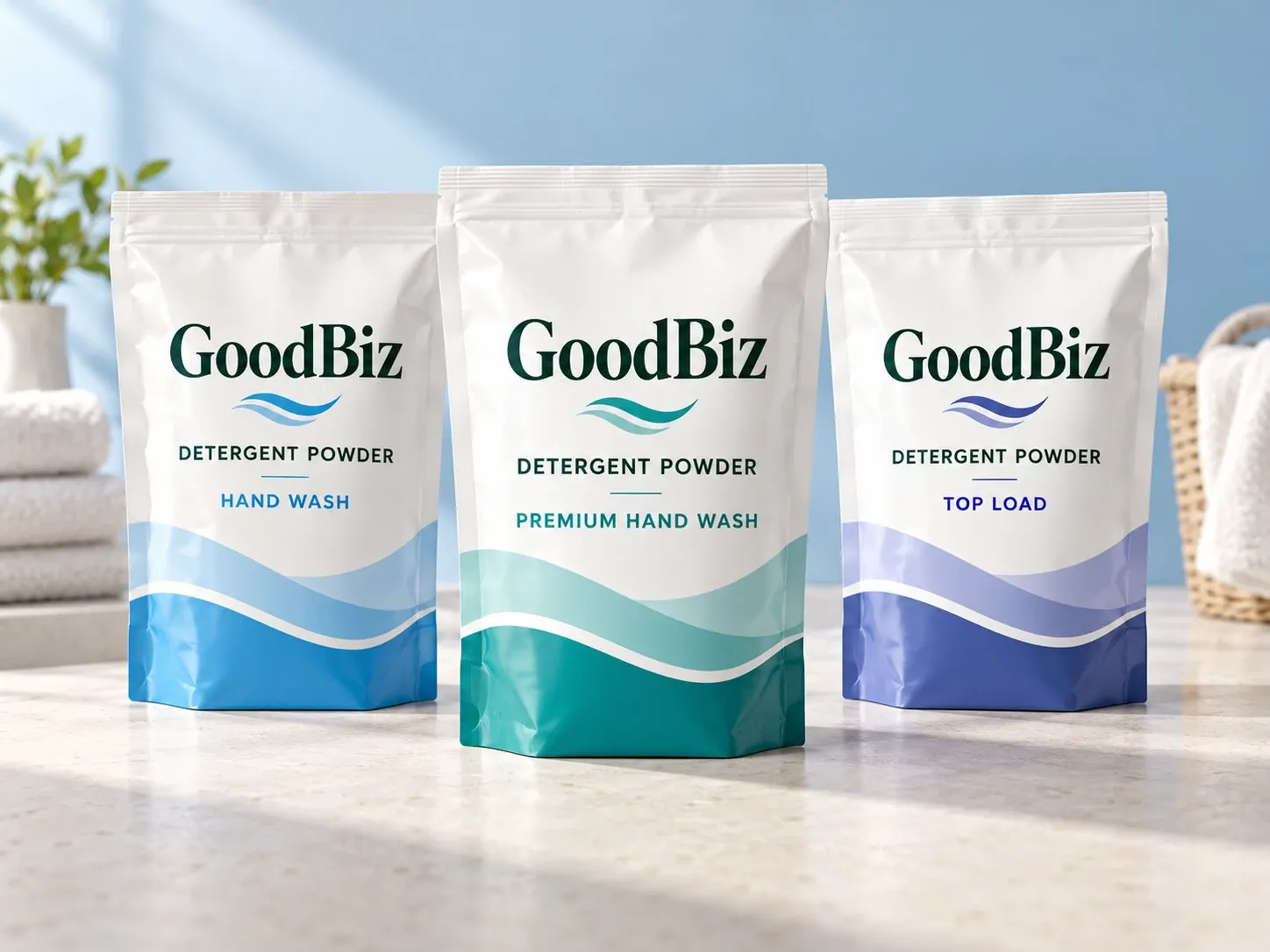
If you are building a laundry family, a matching liquid detergent and detergent powder can share the same label design.
What affects the cost
We do not quote prices in articles, because a price only has meaning for a specific brief. These are indicative factors that move the number:
- Concentration. More softening agent in the formula raises the cost of the liquid.
- Fragrance. Richer and longer-lasting perfumes cost more.
- Pack. Bottle, cap, label or sleeve and carton all add cost per unit, and bulk packs cost the least to pack.
- Order quantity. Larger runs spread set-up cost across more units.
- Freight and insurance. These depend on the route, the season and the Incoterm you choose.
FOB, CIF and CFR available; payment terms agreed per order (T/T or LC). Compare quotations on the same terms and the same specification.
Storage, shelf life and handling
Softener is a cationic liquid, and it responds to temperature. Keep it sealed, away from direct sun and at moderate temperatures. Heat or freezing can cause thickening or separation, so tell the manufacturer about your climate and your storage conditions when you order. Typical shelf life is stated on the product page, and your warehouse should rotate stock so older cartons sell first.
Liquids are heavy. A container may reach its weight limit before the space is full, so carton count depends on pack and payload. We confirm the load against your chosen pack. Choose strong cartons for humid ports and long storage.
Classification and documents
Fabric softener is commonly classified under HSN 3402 50, but it is sometimes classified under 3809 91 as a textile finishing agent. The right code depends on the formulation and on customs practice in your country, so we confirm the full 8-digit code for each order and suggest that you check it with your customs broker. See our guide to HSN codes 3401 and 3402 for background. Standard export documents include the commercial invoice, packing list, certificate of origin and bill of lading, with a COA and MSDS arranged where required.
A simple buying checklist
- Decide regular, concentrate or both.
- Choose two or three fragrances and test them on cloth.
- Pick pack sizes that match your channel.
- Confirm cap, label, carton and pallet details.
- Check local label and registration rules.
- Approve a sample and keep it as the reference.
- Compare quotations on the same terms.
Next steps
Send us your target market, fragrance shortlist, concentration level and pack sizes. GoodBiz Hygiene will return a quotation, arrange fragrance samples from the manufacturer and suggest a mixed container if you want to add liquid detergent or other laundry lines.
Sources
Primary sources for the codes and standards in this guide. Check the current version before you rely on a figure.
- World Customs Organization (WCO): HS Nomenclature 2022 edition: the international six-digit headings and subheadings, including 3401 and 3402.
- Directorate General of Foreign Trade (DGFT): ITC(HS) export and import schedules: India’s 8-digit lines and export policy.