When you ask three suppliers for a quotation on “soap and detergent”, you may get three different HSN codes back. That is not always a mistake. The Harmonized System (HS) splits washing products across two neighbouring headings, 3401 and 3402, and a few products sit awkwardly between them. This guide explains the split in plain terms so you can read a quotation, check an invoice and brief your customs broker with confidence.
GoodBiz Hygiene is a merchant exporter: we source soaps, detergents and home-care products from vetted Indian manufacturers and handle the quote, documents and shipment. The notes below are general guidance for buyers. They are not customs advice, and your own country’s tariff has the final word.
What an HSN code is, and why importers care
HSN stands for Harmonized System of Nomenclature, the international product classification run by the World Customs Organization. The first six digits of a code are the same in almost every country. Each country then adds its own further digits for national tariff lines. India’s export classification (ITC-HS) uses 8 digits, and your import tariff may use 8, 10 or more.
The code matters for three practical reasons:
- Duty and taxes. Your customs authority applies duty and VAT or GST according to the code on the import declaration.
- Permits and standards. Some countries require registration, labelling approval or a conformity certificate for particular headings.
- Consistency. The invoice, packing list, certificate of origin and bill of lading should all describe the goods the same way. A mismatch is a common cause of questions at the port.
The core split: soap versus everything else
The simplest way to remember it:
- 3401 is for soap, and for certain skin-washing products that are not true soap, if they are in the forms the heading names.
- 3402 is for organic surface-active agents (other than soap), plus the washing and cleaning preparations made from them.
“Soap” here has a specific meaning: the product of reacting fats or oils with an alkali, such as bars of toilet soap and laundry soap. Detergents work differently. They use synthetic surfactants, so they are classed separately even though they clean in a similar way.
Heading 3401: soap
The subheadings you will meet most often are:
- 3401 11: soap for toilet use, in bars, cakes or moulded pieces. This includes bath soap, herbal soap, glycerin soap and hotel guest soap.
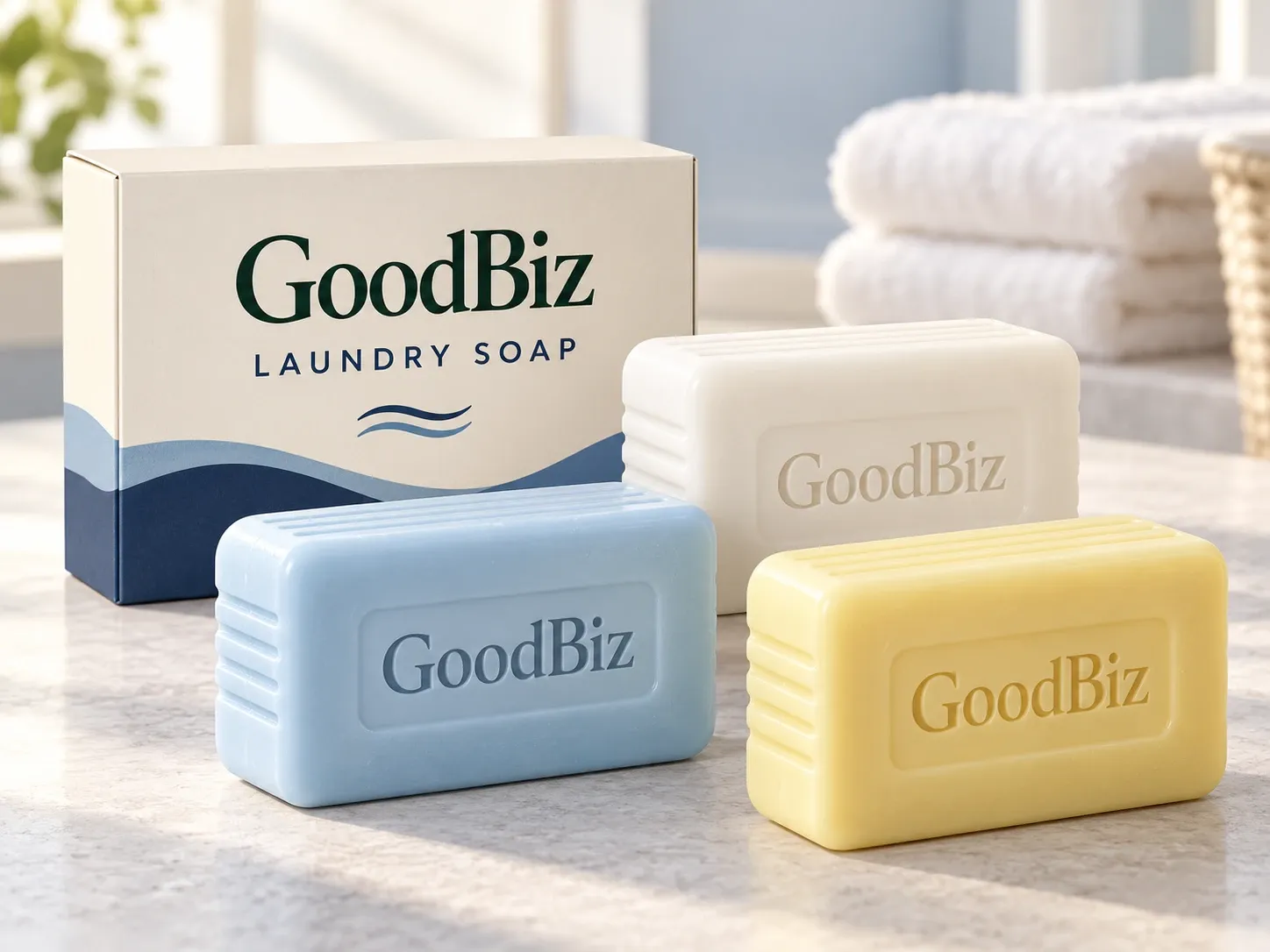
- 3401 19: other soap in bars or cakes, such as laundry soap and some dish wash bars.
- 3401 20: soap in other forms, such as flakes, granules and soap noodles used as a raw material.
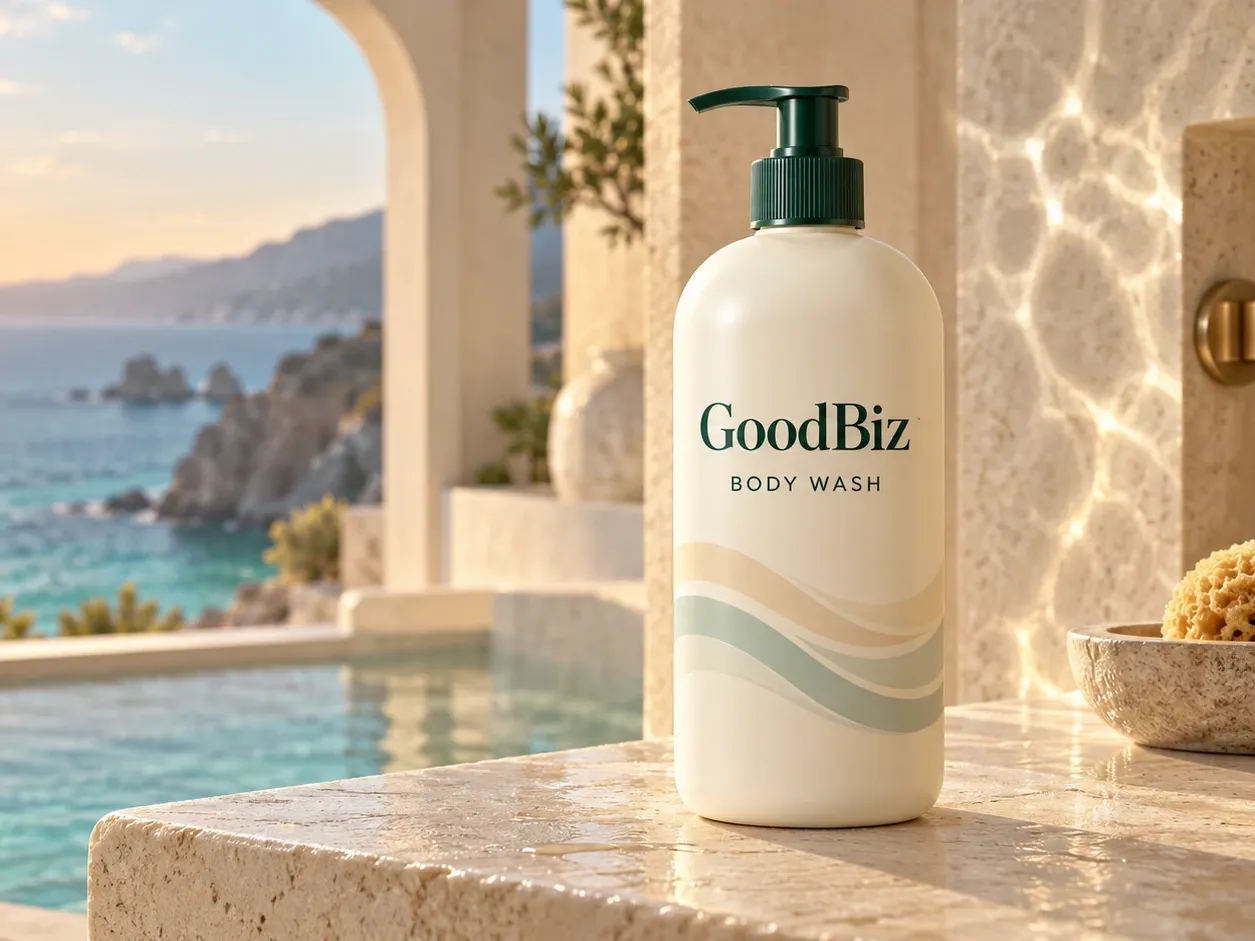
- 3401 30: organic surface-active products and preparations for washing the skin, in liquid or cream form and put up for retail sale. Liquid hand wash and body wash usually belong here.
Heading 3402: detergents and cleaners
This is the larger heading for non-soap cleaning chemistry. Typical subheadings are:
- 3402 31 and 3402 39: anionic surface-active agents, which includes raw materials such as LABSA and SLES.
- 3402 50: washing and cleaning preparations put up for retail sale. Detergent powder, liquid detergent, dish wash liquid, floor cleaner and similar products are usually placed here.
- 3402 90: other preparations, often used for bulk and institutional cleaners that are not put up for retail sale.
A note on HS 2022: 3402 20 is now 3402 50
The Harmonized System is revised roughly every five years. In the HS 2022 edition, in force since 1 January 2022, the WCO renumbered heading 3402: washing and cleaning preparations put up for retail sale moved from subheading 3402 20 to 3402 50, and the surface-active agents were regrouped, with a new subheading 3402 31 for linear alkylbenzene sulphonic acids and their salts (LABSA). Older price lists, invoices and websites may still show 3402 20, so check which edition a code comes from. 8-digit ITC-HS codes are confirmed per order against the current DGFT schedule.
A product-by-product view
The table shows where common products from our range are typically classified. Treat it as a starting point for your own check, not a final ruling.
| Product | Typical HSN (6 digits) | Why |
|---|---|---|
| Toilet and bath soap bars | 3401 11 | Soap for toilet use in bars |
| Laundry soap bar | 3401 19 | Other soap in bars |
| Soap noodles | 3401 20 | Soap in other forms (raw material) |
| Liquid hand wash, body wash | 3401 30 | Liquid skin-washing product, retail |
| Detergent powder, liquid detergent | 3402 50 | Washing preparation, retail |
| Dish wash liquid, floor cleaner | 3402 50 | Cleaning preparation, retail |
| LABSA | 3402 31 | Anionic surfactant (acid form) |
| SLES | 3402 39 | Other anionic surfactant |
| Bulk institutional cleaners | 3402 90 | Other preparation, not for retail |
Two products do not follow the pattern. Fabric softener is sometimes classified under 3809 91 (finishing agents) rather than 3402, and herbal phenol disinfectant may fall under 3808 94 (disinfectants) depending on its claims and composition. We note these alternatives on the relevant product pages so you can raise them early with your broker.
Where buyers get tripped up
“Put up for retail sale”
Several subheadings turn on whether the goods are packed for retail. A 500 ml bottle on a supermarket shelf is retail. A 200 litre drum for an institutional user or a re-packer is not. The same liquid can therefore land on a different line depending on the pack. When you quote for both retail and bulk packs of one product, expect two codes on the paperwork and ask for both.
Liquid skin wash: soap or not?
Liquid hand wash is not soap in the chemical sense, yet it sits in heading 3401 because that heading explicitly includes liquid and cream skin-washing products for retail. A product with a medicated or cosmetic claim may be treated differently in your country, so tell us the claim you plan to print on the label.
Mixed-use products
Some products do two jobs, for example a cleaner that also disinfects. Customs authorities look at the product’s essential character and the claims made for it. If a product could reasonably sit in two headings, the label, the composition and the intended use usually decide.
Six digits versus eight
A six-digit code such as “3402 50” is shared worldwide. The extra digits are national. In our quotations we show the six-digit code, and the 8-digit ITC-HS code is confirmed per order, because it depends on the exact pack and form. Your broker will then map the six digits to your own tariff line.
A simple checklist before you order
- Write down the product form. Bar, liquid, powder, paste, flakes or raw material.
- State the pack. Retail pack or bulk, and the pack size.
- State the claims. Antibacterial, herbal, disinfecting, whitening or none.
- Ask the exporter for the proposed code. Request it on the quotation and the proforma invoice.
- Check it against your tariff. Your customs broker or the tariff database in your country confirms the duty line.
- Keep all documents aligned. The same description and code should appear on the invoice, packing list and certificate of origin.
How we handle classification
For each enquiry we propose a six-digit code based on the product, form and pack, and confirm the 8-digit ITC-HS code when the order is placed. Export terms are straightforward: FOB, CIF and CFR available; payment terms agreed per order (T/T or LC). Documents such as the commercial invoice, packing list and certificate of origin are prepared for each shipment, with other product documents arranged where your market asks for them.
If your market has special requirements, such as pre-registration of cleaning products or a particular label format, tell us before the order is confirmed so that the manufacturer can plan for it. You can browse the toilet and bath soap and detergent powder pages to see how we present the code and the note on 8-digit confirmation.
Key takeaways
- 3401 is soap and certain retail skin-washing products. 3402 is non-soap surfactants and the washing and cleaning preparations made from them.
- The pack matters: retail and bulk versions of one product can carry different codes.
- Fabric softener and herbal phenol often have alternative classifications, so raise them with your broker.
- Six digits are international. The remaining digits are national, so confirm them for every order.
- Always check the proposed code against your own country’s tariff before you pay.
Not sure how your product should be classified? Send us the product, the pack size and your destination, and we will propose a code and confirm the details with the manufacturer. Browse liquid hand wash or soap noodles for two examples of products that sit in different parts of heading 3401.
Sources
Primary sources for the codes and standards in this guide. Check the current version before you rely on a figure.
- World Customs Organization (WCO): HS Nomenclature 2022 edition: the international six-digit headings and subheadings, including 3401 and 3402.
- Directorate General of Foreign Trade (DGFT): ITC(HS) export and import schedules: India’s 8-digit lines and export policy.
- Central Board of Indirect Taxes and Customs (CBIC): Customs Tariff of India: India’s customs tariff and notifications.