A private label range lets a distributor stop competing on other people’s brands and start building one of its own. Cleaning products suit this well: demand is steady, the formulas are mature, and buyers repeat their purchases. The difficulty is not the idea but the sequence. Decisions made in the wrong order lead to artwork that does not fit the bottle, a fragrance nobody wanted or a container that arrives before the labels are legal. This guide sets out the sequence we recommend to distributors.
GoodBiz Hygiene is a merchant exporter. We do not run production ourselves. We source private label cleaning products from vetted Indian manufacturers and manage the quotation, sample approval, documents and shipment for you. What follows is general guidance, and final terms are agreed per order.
Step 1: Define your market and your shelf
Before you talk to any supplier, write down who will buy the product and where it will sit. A supermarket shelf, a wholesale cash-and-carry, a hotel supply route and an online store all reward different packs and price levels. Be specific about three things:
- The customer. Households, small businesses or institutions.
- The position. Value, mid-range or premium. This drives the formula strength, the bottle and the fragrance.
- The competition. Walk the shelf. Note the pack sizes, colours and claims of the leading brands, because your buyers will compare you with them.
Step 2: Choose a focused starting range
Most successful distributors begin with three to five products that a household uses together, rather than a long catalogue. A typical starter family is:
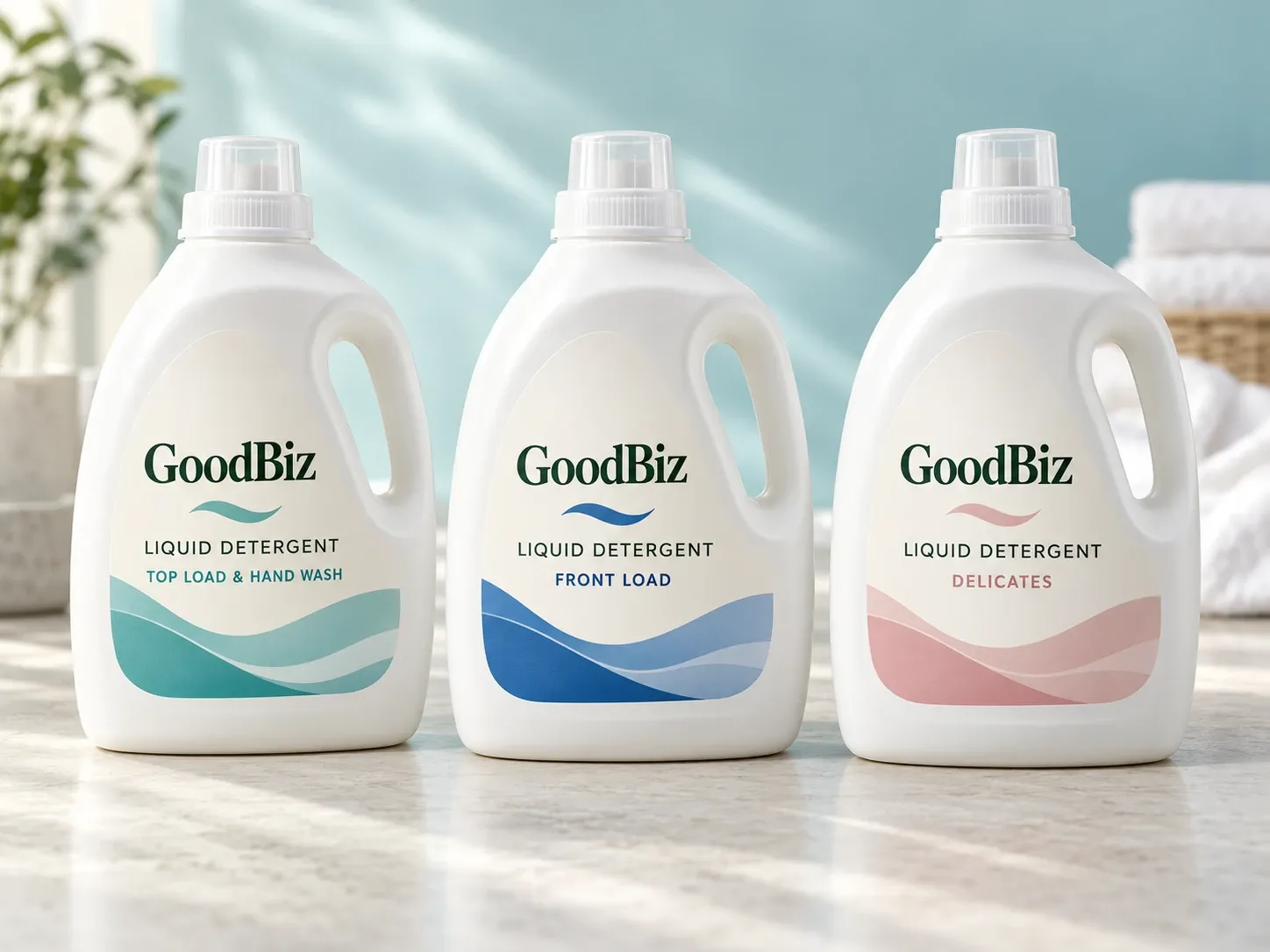
- liquid detergent for laundry;
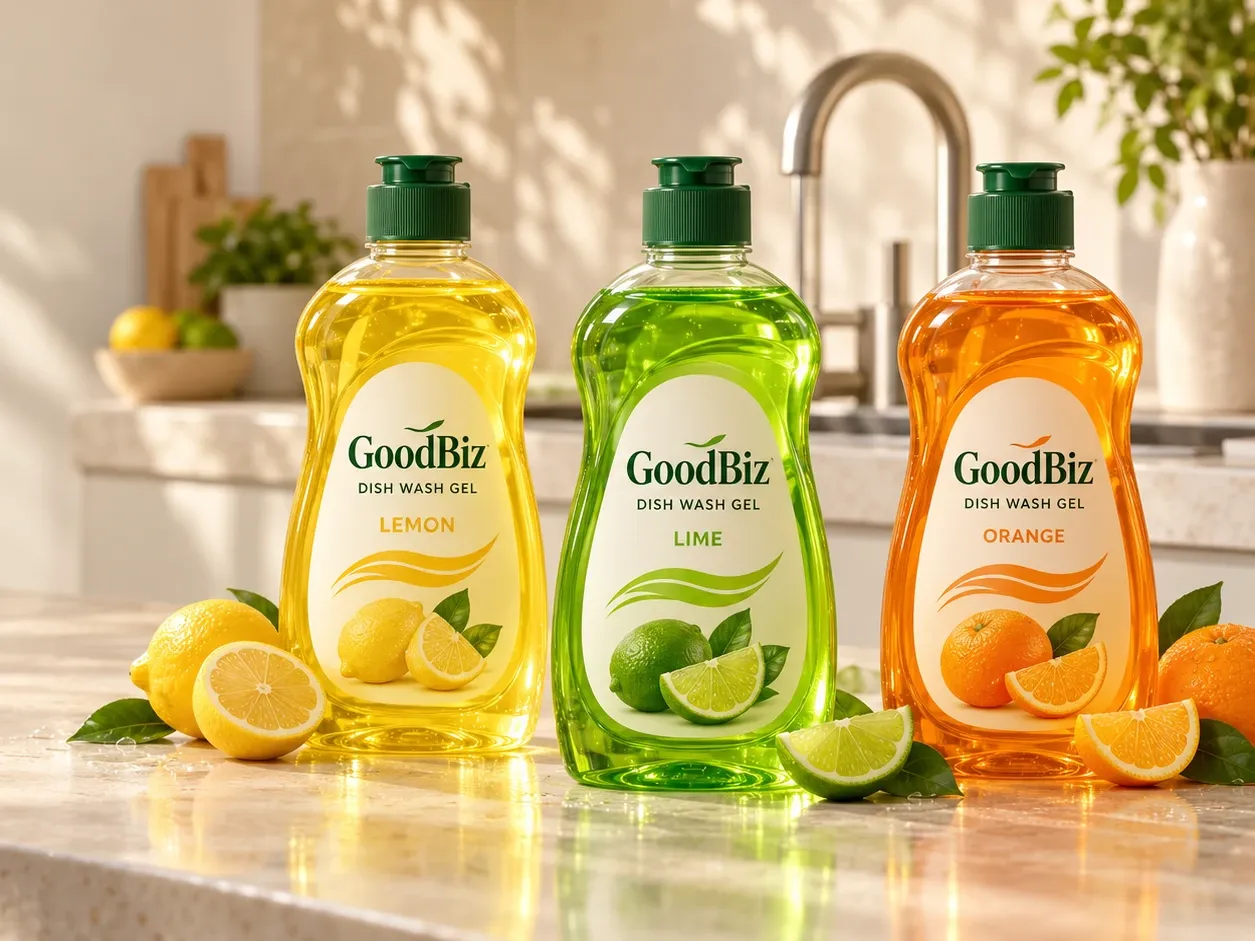
- dish wash liquid for the kitchen;
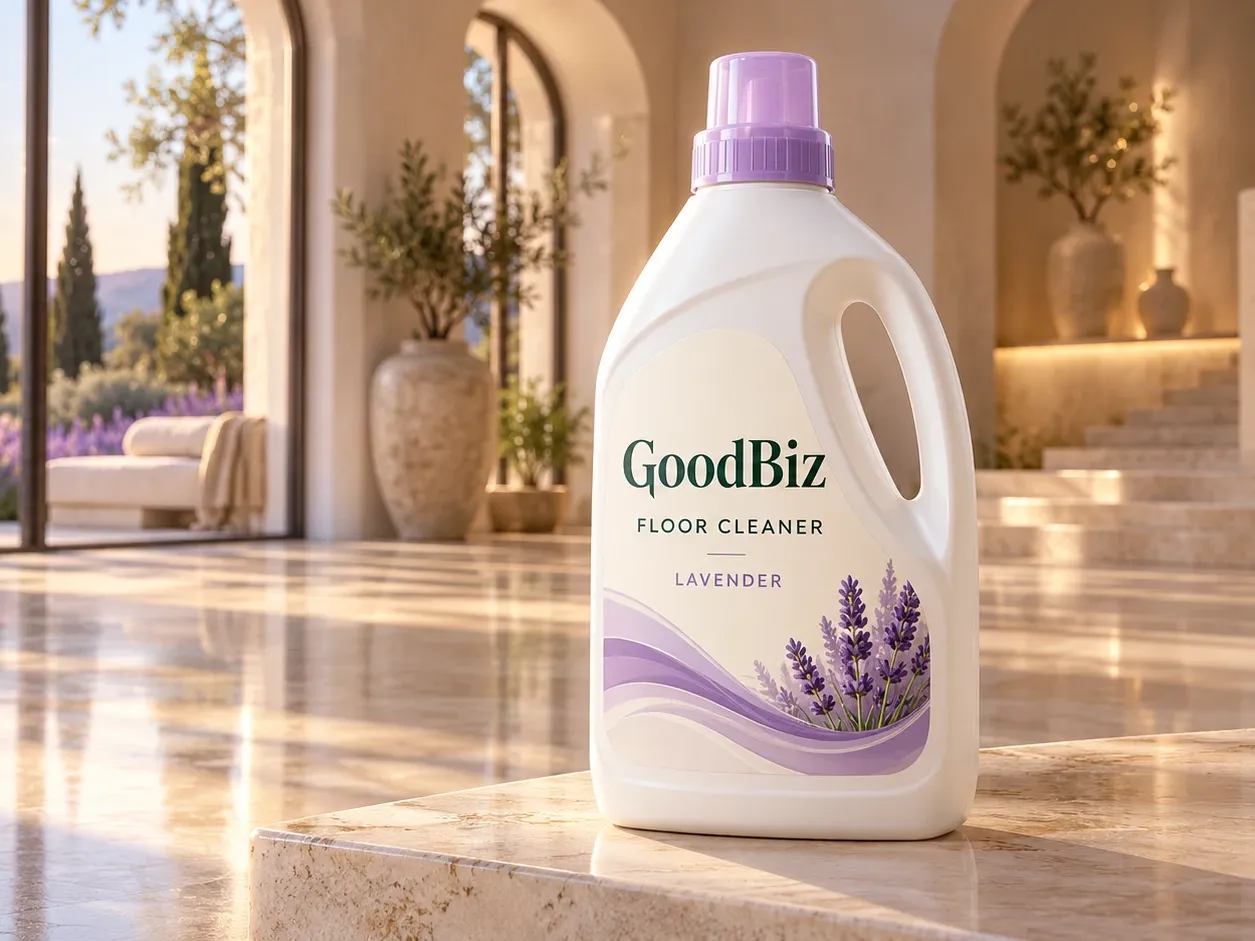
- floor cleaner for general cleaning;
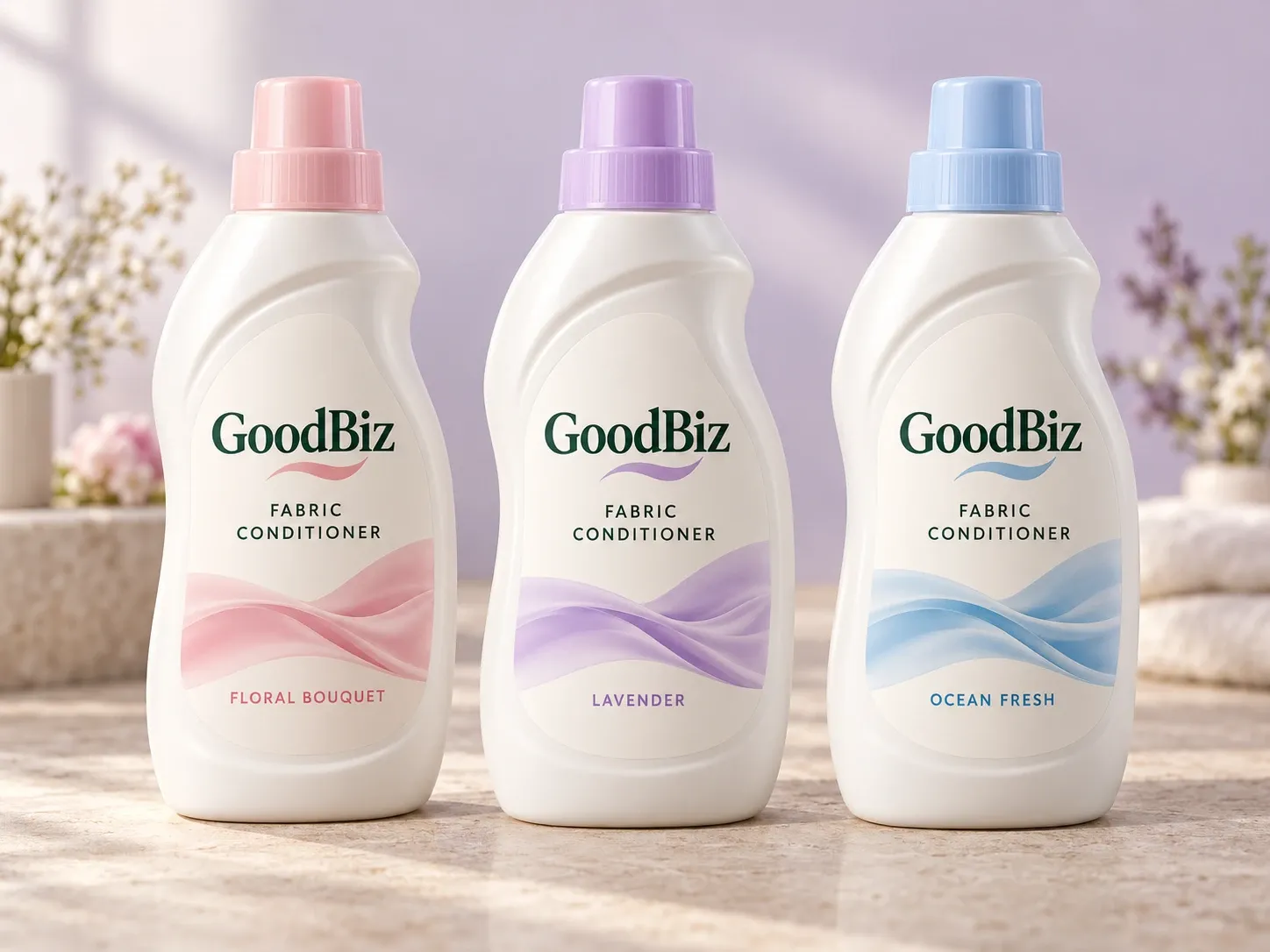
- fabric softener as a laundry partner product.
A coherent range makes your brand look established. It also lets you share design elements, such as one label layout with a different colour for each product. Add toilet cleaner, glass cleaner or hand wash later, once the first lines are selling.
Step 3: Decide what you can customise
Private label is a menu, not a single option. Typically the choices are:
- Brand identity. Name, logo, label or shrink-sleeve artwork and the printed master carton.
- Fragrance and colour. Chosen from the manufacturer’s range or matched to a reference sample.
- Formula level. Economy, standard or concentrated grades, within the manufacturer’s existing formulations.
- Texture. Thin liquid or thicker gel, where the product allows it.
- Pack. Bottle shape and cap from available moulds, pouch refills, cans or jerry cans.
Fully bespoke items are a separate conversation. A new bottle mould or a completely new formulation takes more time and a larger commitment, so most first orders use stock bottles with your own label. That keeps the minimum and the lead time reasonable.
Step 4: Write a clear product brief
The quality of the quotation depends on the quality of the brief. For each product, give the manufacturer:
- the product, grade and target positioning;
- fragrance preference, with a reference sample if you have one;
- colour and texture;
- pack sizes and the number of units per carton;
- the quantity you want to start with and your destination port;
- any local standards, label language or registration requirements.
Send the brief for the whole range at once. Seeing every product together lets the manufacturer suggest sensible pack and carton combinations, and it helps us propose a mixed container.
Step 5: Compare quotations like for like
Quotations are only comparable when the brief and the terms match. When you review them, check the same points each time. These are indicative cost factors, not prices:
- formula strength and fragrance level;
- bottle, cap, label or sleeve and carton specification;
- set-up charges for new artwork or printing plates;
- quantity per design and per container;
- freight and insurance, which depend on route, season and the Incoterm.
FOB, CIF and CFR available; payment terms agreed per order (T/T or LC). A low FOB figure may hide freight that a CIF or CFR quote already includes, so convert everything to the same basis before choosing.
Step 6: Approve samples before anything is printed
Never sign off a private label order from a catalogue. Ask for samples in a finished pack, then test them in conditions that match your market:
- Performance. Does the detergent clean, does the floor cleaner leave a streak-free finish, does the softener smell right on cloth?
- Fragrance. Judge it in the room and again after a day, not just when the cap is first opened.
- Pack. Squeeze the bottle, test the cap, and check that the label stays on a wet surface.
- Stability. Store a sample in warm and cool conditions to see whether colour or thickness changes.
Keep the approved sample. It becomes your reference for every later batch.
Step 7: Prepare artwork and check labels
Artwork should go to the manufacturer’s printer in the format they specify, with the exact label dimensions for the chosen bottle. Allow time for at least one proof. Check the following before approving:
- product name, net volume and brand owner details;
- directions for use, warnings and storage notes in the language your market requires;
- importer name and address, if your country requires it;
- barcodes, where retailers need them;
- batch and manufacturing date areas.
Label rules differ widely between countries, and responsibility normally sits with the importer or brand owner. Ask your customs broker or regulator what applies to cleaning products before you finalise anything. For export paperwork, see our guide to HSN codes 3401 and 3402.
Step 8: Plan the first order
A first order has two goals: to stock your channel and to test the market without tying up too much cash. Many distributors choose a mixed container, with several products and two or three fragrances, rather than a full load of one item. There is no fixed minimum, so trial quantities and part loads can be quoted. Each product page lists indicative container loads, which we confirm against your chosen packs.
Think about carton weight as well as size. Liquids are heavy, so payload may limit a container before the space is full. Sturdier cartons are worth the small extra cost on long voyages or in humid ports.
Step 9: Production, documents and shipping
After you confirm the order and approve the artwork, the manufacturer schedules production. Lead time is typically 3–5 weeks after order confirmation, depending on private-label requirements, and special packaging can lengthen it. During production we prepare the standard export documents, including the commercial invoice, packing list, certificate of origin and bill of lading. A COA and MSDS can be arranged where required. Goods ship from major Indian ports.
Take a final look at a pre-shipment sample from the production batch and keep it with your records.
Common mistakes to avoid
- Launching ten products at once, which spreads volume too thin for any one of them.
- Choosing fragrance and colour from a picture rather than a sample.
- Leaving label language and registration until the goods are already shipped.
- Comparing quotations with different terms or pack specifications.
- Changing artwork after the printing plates have been made.
Next steps
Start with the brief: the range, the pack sizes, the fragrances and your destination port. Send it to GoodBiz Hygiene and we will come back with a recommended starting range, a quotation and a plan for samples and a mixed first container.
Sources
Primary sources for the codes and standards in this guide. Check the current version before you rely on a figure.
- International Chamber of Commerce (ICC): Incoterms rules: the official definitions of the trade terms used in quotations.
- Directorate General of Foreign Trade (DGFT): ITC(HS) export and import schedules: India’s 8-digit lines and export policy.